Pitru Paksha 2026: Dates, Meaning & How to Honour Your Ancestors at Home
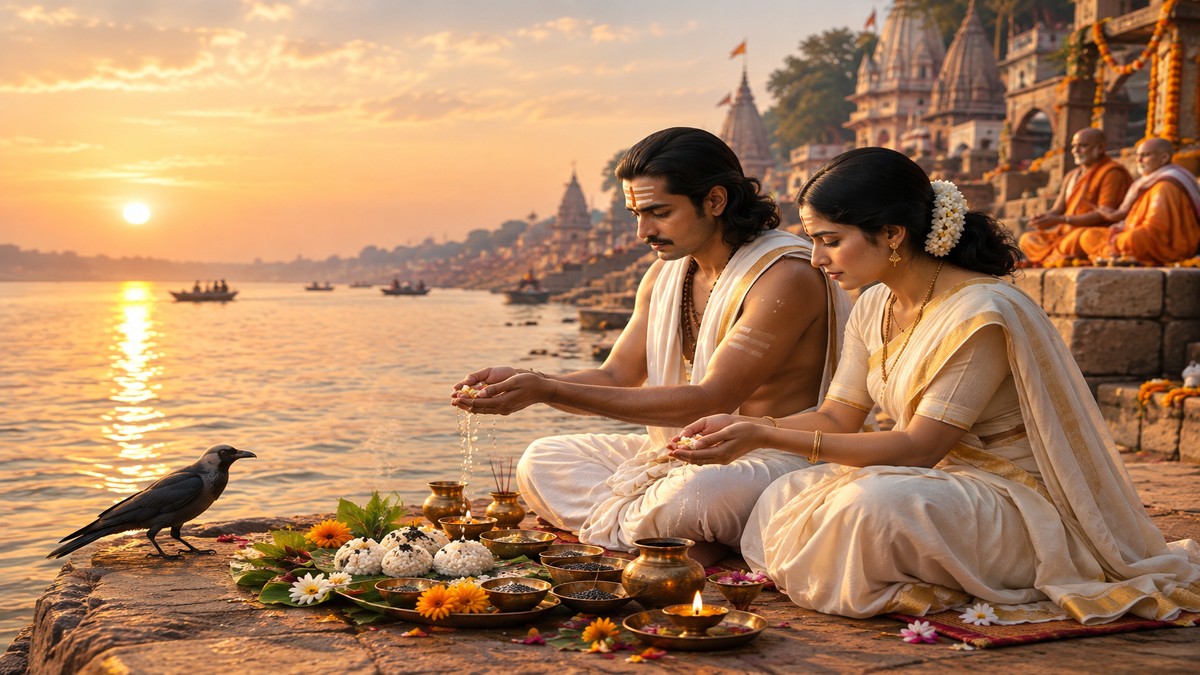
Every family carries a story older than the people telling it. Pitru Paksha is the time of year when Vedic tradition asks us to pause and remember the people who wrote the first chapters of that story. It is not a festival of lights or colour. It is quieter than that, and for many households it is one of the most meaningful fortnights of the year.
In this guide, we cover the Pitru Paksha 2026 dates, what the period means, the core rituals of shradh and tarpan, and simple ways to honour your ancestors at home, even if you live far from a pilgrimage site or have never performed these rites before.
Pitru Paksha 2026 Dates
Pitru Paksha 2026 begins in the last week of September (26 or 27 September, depending on the tithi followed in your region) and concludes on Sarva Pitru Amavasya, Saturday 10 October 2026. The very next day, 11 October, Sharad Navratri begins.
Shradh for a particular ancestor is traditionally performed on the tithi (lunar date) on which they passed away. If you do not know the tithi, Sarva Pitru Amavasya is considered the day to remember all ancestors together.
Since tithi timings shift by location, check a reliable panchang for your city before fixing a shradh date.
What Is Pitru Paksha?
The word Pitru means ancestors and Paksha means a lunar fortnight. Pitru Paksha falls in the dark fortnight (Krishna Paksha) of the month of Bhadrapada in the purnimanta calendar, or Ashwin in the amanta calendar.
In Vedic belief, this is the period when the ancestral realm (Pitru Loka) is closest to ours. Offerings made with sincerity during these sixteen days are believed to bring peace to departed souls and blessings to the living family. The Mahabharata tells the story of Karna, who, after giving gold all his life, was offered gold as food in the afterlife. He learned he had never offered food to his ancestors, and was allowed to return to earth for fifteen days to do so. Those fifteen days are remembered as Pitru Paksha.
Why Pitru Paksha Matters Today
It is easy to treat ancestral rites as something our grandparents did. But the idea underneath them is timeless: we are shaped by those who came before us. Their choices, struggles and values echo in our families, sometimes as strength and sometimes as unresolved patterns.
Pitru Paksha offers a structured moment of gratitude and reflection. Even if you are not ritually inclined, spending these days remembering your elders, telling their stories to children and practising charity in their name keeps that thread alive.
Core Rituals of Pitru Paksha
Shradh
Shradh comes from the word shraddha, meaning faith. It involves preparing a simple, sattvic meal and offering it in memory of ancestors. Traditionally, portions are set aside for a cow, a dog, crows and ants before the meal is shared with Brahmins or family.
Tarpan
Tarpan is the offering of water mixed with black sesame seeds (til), barley and kusha grass, usually made facing south while remembering ancestors by name. It is often performed near a river, but can be done at home with a clean vessel.
Pind Daan
Pind daan involves offering rice balls mixed with sesame and ghee. Many families travel to Gaya, Varanasi, Haridwar or Prayagraj for this rite, though it can also be done locally under the guidance of a priest.
Daan (Charity)
Donating food, clothes, grains or essentials to those in need, in the name of your ancestors, is considered one of the most powerful acts of the fortnight.
How to Honour Your Ancestors at Home
You do not need an elaborate setup. A few simple practices carry the spirit of Pitru Paksha:
- Light a diya with sesame oil in the south direction of your home each evening.
- Keep a photograph of your elders in a clean space and offer fresh flowers and water.
- Prepare one sattvic meal on the relevant tithi and feed a cow, crows or someone in need before eating.
- Offer water to a Peepal tree, which is traditionally associated with ancestors.
- Spend time recording family stories, names and dates. Many people do not know their great-grandparents' names; this is a beautiful time to find out.
Dos and Don'ts During Pitru Paksha
Many families follow these traditional guidelines. Practices vary by region and household, so follow what feels right for your family.
- Keep meals sattvic and avoid onion, garlic, meat and alcohol.
- Avoid beginning major new ventures, housewarmings or large purchases, which are traditionally postponed until Navratri.
- Avoid haircuts and nail cutting on shradh days in many traditions.
- Speak kindly and keep the home calm and clean.
Pitru Paksha and Your Birth Chart
In Vedic astrology, the ninth house represents ancestors, fortune and dharma, and the Sun represents the father and paternal lineage. Certain placements, such as the Sun with Rahu or afflictions to the ninth house, are traditionally read as signs of Pitru Dosha, an ancestral imbalance. We explore this in detail in our guide to Pitru Dosha.
If you have been feeling stuck in family patterns that repeat across generations, a birth chart reading can help you understand what your chart indicates and which traditional remedies may be suitable.
Frequently Asked Questions
When does Pitru Paksha 2026 start and end?
Pitru Paksha 2026 begins in the last week of September (26 or 27 September depending on the regional tithi) and ends on Sarva Pitru Amavasya, Saturday 10 October 2026.
Can women perform shradh?
Traditionally, shradh was performed by sons, but many scholars and families today accept shradh performed by daughters, wives and other family members. Sincerity is considered more important than who performs it.
What if I don't know the tithi of my ancestor's passing?
Sarva Pitru Amavasya, on 10 October 2026, is the day to remember all ancestors whose tithi is unknown.
Can I buy new things during Pitru Paksha?
Many families avoid major purchases and new beginnings during these sixteen days and wait for Navratri. Daily essentials are not considered a concern.
Is Pitru Paksha inauspicious?
It is better understood as a sacred period of remembrance rather than an inauspicious one. It is set aside for ancestors, which is why new celebrations are usually postponed.
Want to understand the ancestral influences in your chart? Book an Avriti Jyotish Birth Chart reading through Avriti Viveka, or message us on WhatsApp. We respond with care.